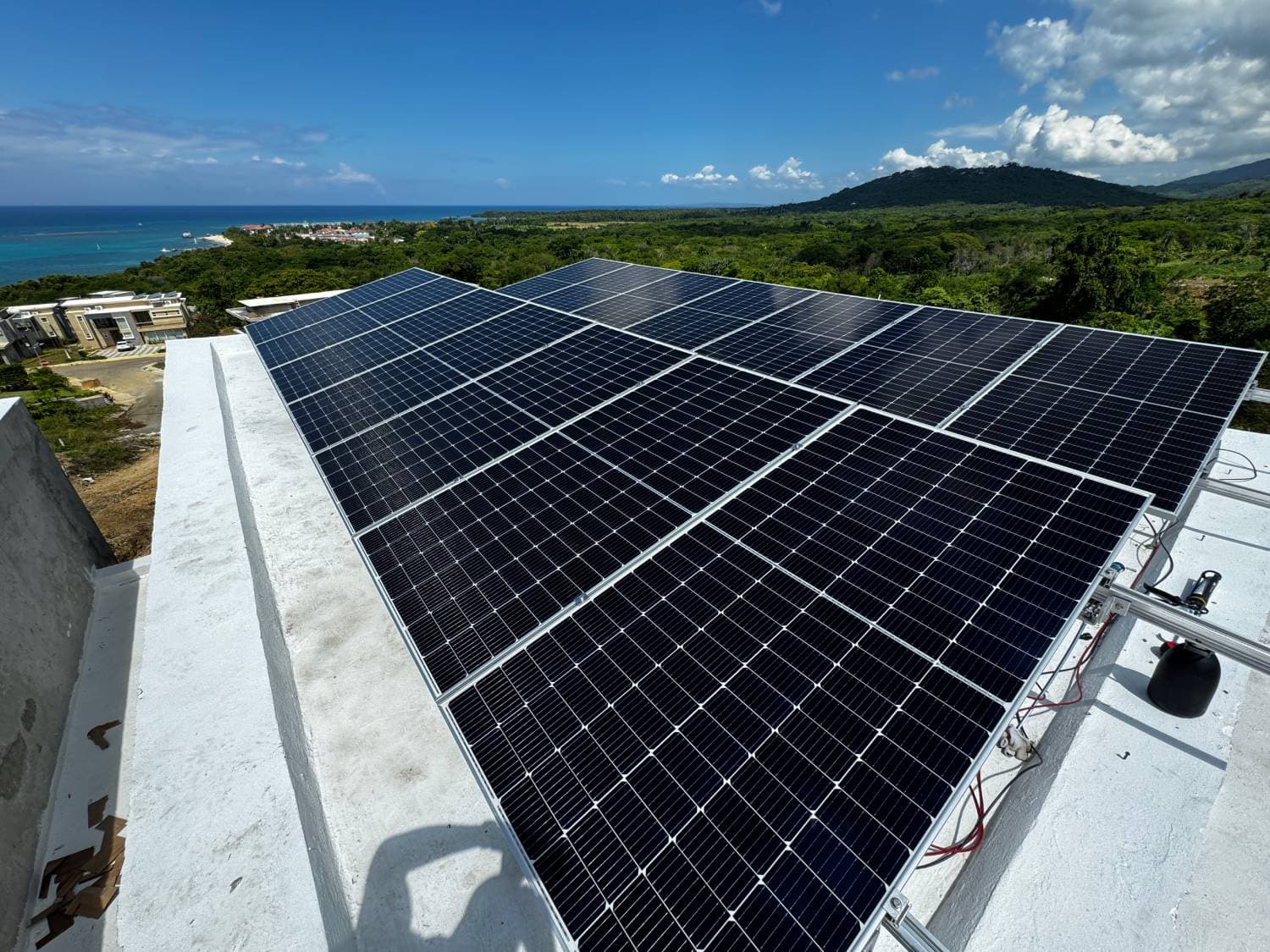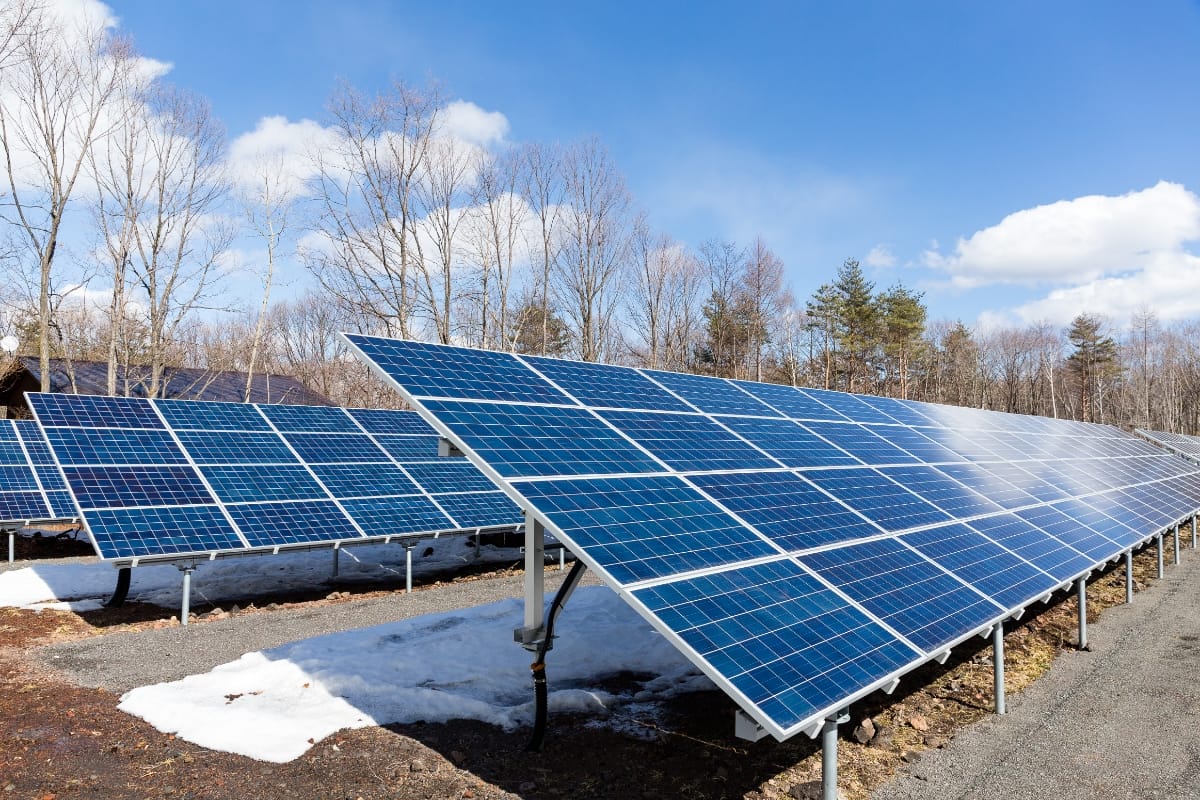
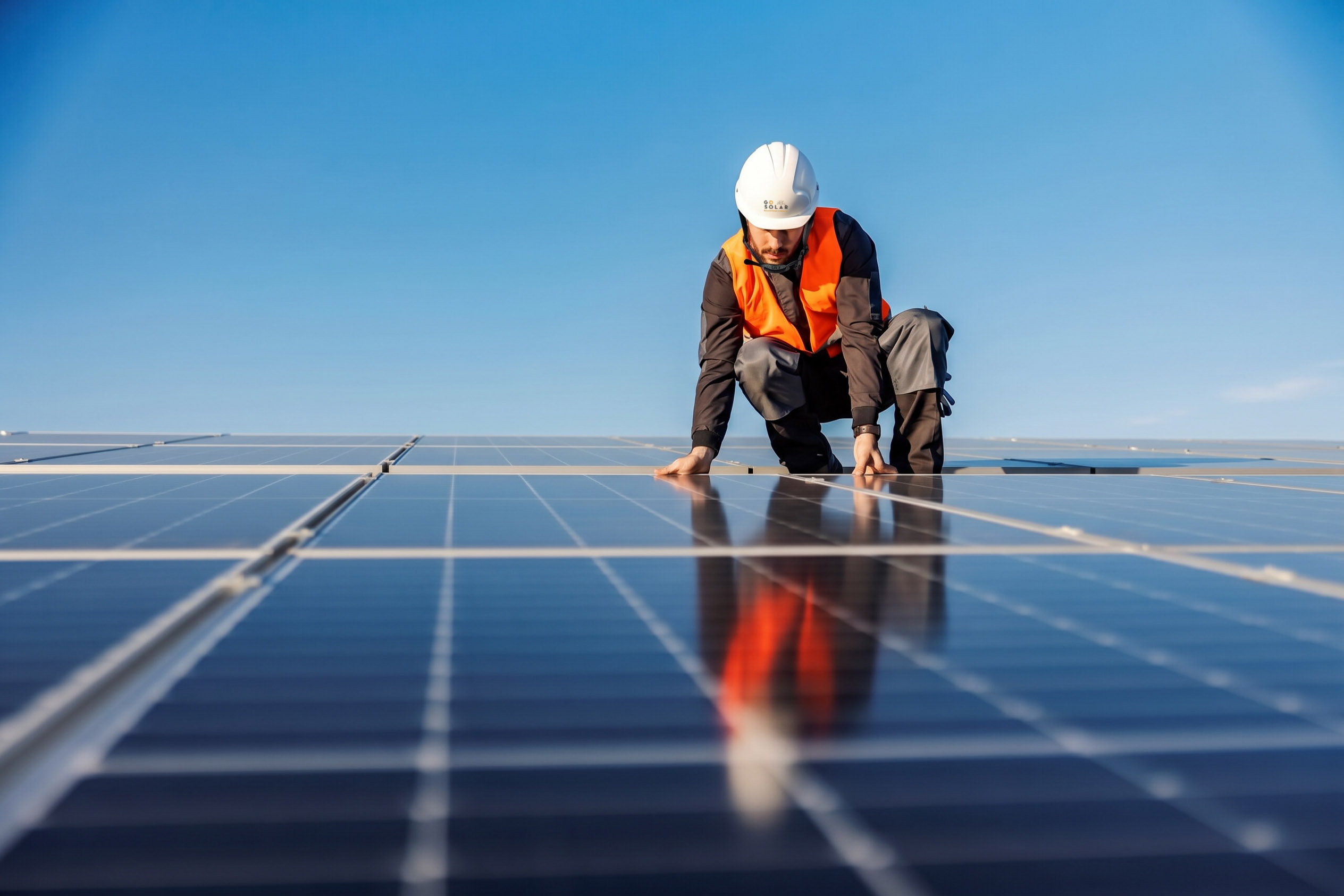
Solar self-consumption means generating your own electricity using photovoltaic panels and consuming that electricity directly to power your home or building. This approach allows property owners to make better use of available solar energy and, under the right conditions, reduce the amount of electricity they purchase from the grid.
With a properly sized solar installation and well-planned energy consumption habits, self-consumption can become an important part of an effective energy management strategy.
What Is Solar Self-Consumption?
Photovoltaic panels convert sunlight into electricity. This electricity can then power household appliances such as refrigerators, electronic devices, lighting, and certain heating equipment.
When solar production exceeds immediate consumption, the excess electricity may be exported to the grid or stored in a battery, depending on the system configuration and applicable utility rules.
When the panels do not generate enough electricity, such as during the evening or on cloudy days, the property can continue drawing electricity from the grid.
The goal of solar self-consumption is to use as much of the electricity you generate as possible, reducing the need to purchase electricity from other sources.
- Use Electricity When Your Panels Are Producing It
One of the simplest ways to improve solar self-consumption is to adjust certain household activities to coincide with periods of higher solar production.
For example, when practical, you can schedule your dishwasher, washing machine, or other energy-intensive appliances to operate during sunny hours.
This allows you to use more of the electricity generated by your panels directly, potentially reducing the amount of electricity you need to buy from the grid.
Small adjustments to daily routines can make a difference without necessarily requiring additional equipment.
- Choose the Right Solar System Size
A system that is too small may produce only a limited portion of your household’s electricity needs. On the other hand, an oversized system may generate substantial excess electricity that cannot always be used efficiently.
To determine the appropriate system size, several factors should be evaluated:
- Your property’s annual electricity consumption.
- How electricity use is distributed throughout the day.
- Roof orientation, slope, and condition.
- Sunlight exposure and seasonal variations.
- Applicable grid-connection and electricity compensation rules.
A personalized assessment helps balance energy needs, installation costs, and expected solar production.
The objective is not simply to generate as much electricity as possible, but to design a system that provides practical and financial benefits for your property.
- Store Solar Energy for Later Use
A solar battery allows you to store some of the electricity generated during sunny periods and use it when solar production decreases.
This can be particularly useful for households that consume more electricity in the evening. Battery storage can also provide greater flexibility in managing energy consumption.
However, batteries involve an additional investment. Their financial value depends on the purchase and installation cost, storage capacity, household consumption patterns, electricity rates, and the owner’s objectives.
Before investing in battery storage, it is important to compare the expected benefits with the total cost of the equipment.
- Monitor Your Solar Production and Energy Consumption
Energy monitoring tools allow homeowners to track the electricity their panels generate and, when supported by the system, how much electricity the property consumes.
These insights can help identify when solar energy is being used effectively and when excess electricity is being generated.
By reviewing this information, homeowners can adjust their habits, improve the timing of appliance use, and identify opportunities to increase self-consumption.
Monitoring can also help identify unusual drops in production that may require an inspection or maintenance.
- Understand the Financial Benefits of Self-Consumption
The savings associated with solar self-consumption depend primarily on how much solar electricity is used directly, the cost of the grid electricity avoided, and the compensation available for excess electricity exported to the grid.
It is important to distinguish between two types of energy use:
- Self-consumed electricity: Solar electricity used directly by your property, which can reduce the amount you purchase from the grid.
- Excess electricity: Solar electricity that is not used immediately and may be exported to the grid, with its value depending on the applicable utility program and compensation terms.
The initial installation cost, maintenance requirements, possible equipment replacement, and financing expenses should also be included when evaluating the overall financial performance of a solar project.
A realistic estimate should consider annual production and consumption rather than focusing only on the sunniest months.
- Consider Seasonal Changes in Québec
In Québec, solar electricity production varies throughout the year. Longer days and greater sunlight availability during summer can support higher production, while shorter days, cloudy weather, and snow accumulation can affect winter output.
For this reason, it is important to evaluate a solar installation based on its expected annual performance rather than the results achieved during the summer alone.
A local assessment can provide a more realistic estimate of annual electricity production and potential savings, taking seasonal conditions into account.
How Can You Improve Your Solar Self-Consumption Rate?
To get the most out of a solar installation, consider combining several strategies:
- Schedule energy-intensive appliances during sunny periods whenever practical.
- Choose a system size that matches your electricity consumption.
- Monitor production and consumption to identify opportunities for improvement.
- Consider battery storage if the potential benefits justify the additional cost.
- Review applicable utility programs and compensation arrangements for excess electricity.
Every property is different, so the best approach depends on household routines, the characteristics of the building, and the conditions of the local electricity network.
Conclusion
Solar self-consumption allows you to make better use of the electricity generated by your own panels and can help reduce your electricity bill. With a suitable installation, thoughtful appliance scheduling, and regular production monitoring, you can improve how effectively your property uses this renewable energy source.
Would you like to make better use of solar energy at your property? Contact GoSolar to discuss your project and explore the solutions best suited to your home.